Recharging An Electric Car: Everything You Need To Know

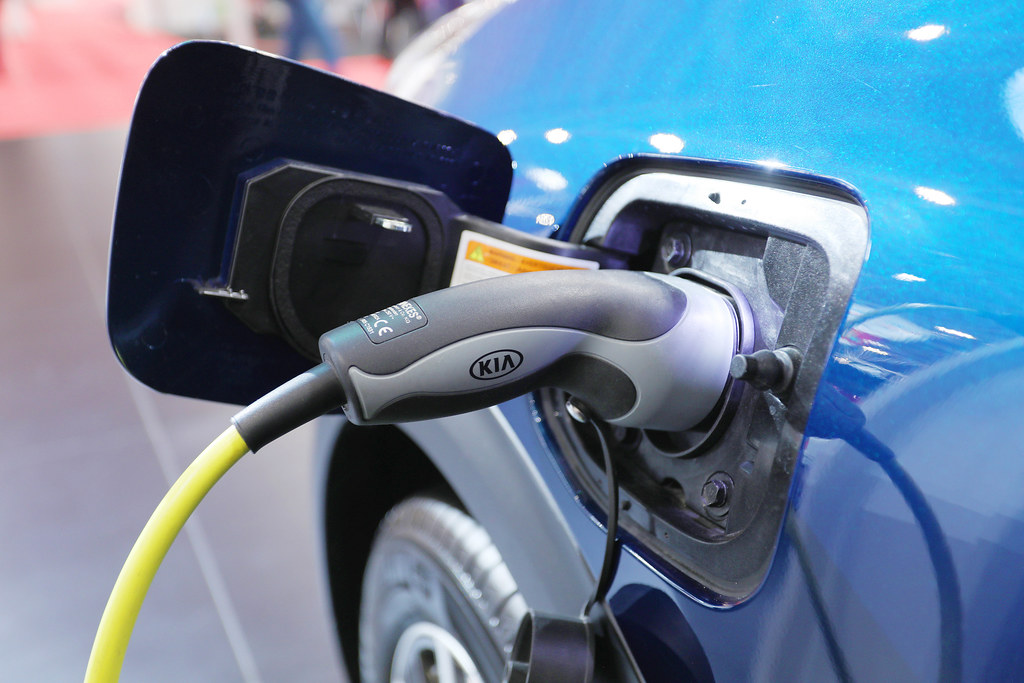
Recharging an electric car is not as simple as simply connecting it to conventional power. Having a suitable electric vehicle charger is essential to protect the state of the electric car battery and that its charge is optimal, as well as the performance of the car.

Some of the factors involved in the loading process are:

  • Kilowatts (kW): charging power of the charger for electric vehicle; Indicates how much energy is supplied to the electric vehicle.
  • Amps (A): current intensity. The higher the intensity, the shorter the loading time.
  • The type of battery of the electric car.
  • The charging point or wallbox installed.
  • The type of installation of the electrical system: single-phase and three-phase.

THE BATTERY OF THE ELECTRIC VEHICLE

The battery of the electric car is the most important part of it, in addition to the most expensive, and you must follow the manufacturer’s instructions at all times so as not to damage it.

We recommend that you never completely unload the battery of your electric car and that you go to your charging point when the battery reaches 30%.

In addition, to preserve it, when charging first connect the plug to the wallbox and then to the car.

CHARGING TIME OF AN ELECTRIC CAR

There are 4 standardized charging modes for electric vehicles: type 1, type 2, type 3 and type 4 charging modes. Each of these charging modes supposes a different speed in the load.

The most used and recommended currently for private charging points

is type 3, semi-fast charging, which requires the installation of a charging point or a specific Wallbox. Why is it the most recommended?

  • The installation of the Wallbox incorporates protection systems necessary for the protection of the vehicle’s battery in its charge.
  • The installation of a charging point or wallbox ensures a higher charging speed than charging your electric vehicle to a conventional outlet.
  • It allows a single-phase or three-phase load.
  • It has a power of up to 22 kWthe vehicle is charged in 3 or 4 hours.

The type 4 charging mode is the one you will find if you decide to recharge your electric car at a public point or at an electric charging station. This type of charger uses a special connector for fast charging (the CHAdeMO, for example) that is specific to fast charging chargers.

With a power of 44 kW, recharging an electric car to 70% can only take 30 minutes.

THE COST OF RECHARGING AN ELECTRIC CAR

You should consult your energy company if you have to increase the contracted charging power, since the one they normally offer in homes (3.68 kW) is not enough for an effective recharging of electric cars.

→ Electricity companies offer a specific tariff of a maximum power of 10 kW to users of electric cars.

According to data from the Transparency Portal of the Spanish Electricity Network (ESIOS), the average charging price is €0.11/kWh + the Electricity Tax and VAT of 21%. The average total charging price is 0.14 €/kWh.

In addition, you can choose the time of charging of the electric car through the apps that include the chargers themselves. In this way, you save money by recharging the electric car in the time slots with lower energy demand. At night, usually from 22h until 6am, is the period of the day in which the load is most profitable.

Contact us for more information on recharching an electric car chargers and charging point installations. We advise you!

Electric Trucks: The Future Of Electric Mobility

Yes, electric trucks are the future of electric mobility and from here we are going to show you the brands that have begun to bet on change and the benefits of joining sustainable mobility through this type of vehicle.

The high level of CO2 emissions by the logistics industry, basically transport vehicles and trucks, is one of the main problems that must be alleviated. Precisely to reverse the damage caused, novel research has been carried out in order to replace conventional motors with electric ones.

Main benefits of electric trucks

Let’s summarize below the main benefits offered by these vehicles:

  • As they are entirely electric motors, they stop producing greenhouse gases, thus reducing polluting elements significantly. Undoubtedly, electric trucks generate a much lower ecological impact than fossil fuel vehicles.
  • Noise pollution in cities is a problem and these vehicles reduce the noise level.
  • Transport companies and the like must bear a high cost in fuel, something that they would reduce by having this type of vehicle. According to estimates made in this regard, the loading of an electric truck will cost 20% less than the truck that has to fill the tank with diesel. In any case, this percentage is increasing because of the constant increase in the price of fuel.
  • They offer a great autonomy and, depending on the model chosen, it is possible to obtain from 200 km to 2000 km. However, it is an aspect that companies continue to address. In fact, there are prototypes that have exceeded 6000 km.

The aim is to carry out efficient and sustainable transport routes, with shorter refuelling times.

The brands that are committed to producing electric trucks

Would you like to know which brands in the market are making great progress in the production of electric trucks? Get to know them!

  • Tesla. The Tesla Semi was officially presented to the world in 2018. We are talking about a fully electric truck, which offers a range of 800 km, whose battery can be charged in a matter of half an hour. It has a modern design and can go from 0 to 100 km / h in 5 seconds.
  • Nikola Motor and Bosch. Both companies have agreed to start together a project based on the production of trucks through hydrogen cells. These models can have a range of 2000 km and reach 1000 horsepower, much more than in the case of a conventional truck.
  • BYD. This brand is working on trucks that carry three hydrogen units, whose models will support different load capacities, from 8 to 16 tons. In addition to electric trucks, they also want to enter the electric bus market.
  • Toyota. The company is striving to create efficient trucks with multiple fuel cell groups. It is not a new system, as the brand has already introduced it in electric cars. To test its effectiveness, one of its prototypes made a route of more than 6000 kilometers with 60 tons of cargo.
  • Cummins. This company also wants to contribute its grain of sand with the AEOS electric truck, an electric propulsion model that has a maximum load of 20 tons and a range of up to 160 kilometers.
  • Daimler. The German company has produced the Fuso eCartera, an electric truck created by Mitsubishi that can load up to 3 tons and has a range of 100 km. It is also developing a more powerful model with greater load capacity. It is the E-Fuso Vision One, a vehicle that reaches 350 km of autonomy.

What can we expect in 2022?

The electric truck means a before and after in the sector and promises, in 2022, to continue presenting powerful and efficient models that do not go unnoticed. The main automotive companies have already opted for them and little by little they will populate the professional fleet, making them a reality.

Companies will be able to count on several systems to effectively control and manage the load of their fleet of electric trucks to get the most out of their daily routes. There’s not much left for that. At the moment, some of the most important companies worldwide such as Tesla are working to make it possible. In fact, we will soon be able to contemplate the transition from fossil fuel engines to those powered by electricity.

What can we expect from these trucks in 2022? These vehicles will be part of the transport of goods nationally and internationally and their main advantage is the reduction of pollution and the impact on the environment, something key that must be promoted in the world of logistics.

Its level of autonomy is more than satisfactory, although, as we have mentioned, everything depends on the model chosen. Be that as it may, some of them are very efficient, allowing you to optimize your refueling times.

In short, electric motor trucks will be part of the future of the transport sector, as more and more improvements are being made to make them more competitive and beneficial at the business level. As with electric cars, they represent a breakthrough in terms of savings and ecology.

Europe Must Defend Its Industry to Avoid Losing the Battle against China

Europe has in the automotive sector one of the most important and relevant industries in the market. Manufacturers contribute large amounts of money to the public coffers, in addition to adding hundreds of thousands of jobs and billions in innovation and development. All that putting down the drain if the European Union does not take action to help its industry. The battle against China begins to uneven in favor of the Asians. An international study demonstrates the need for support from the rulers so as not to endanger a main sector.

At the end 2021, the European Union took a very important step. The plans of the old continent are to transform the automobile industry from its foundations. In 2035 Europe will ban the sale of any car that is not electric, although as we know there will be some exceptions. European citizens will only be able to count on electric cars, although this important step may trigger a series of events that are difficult to resolve. This is highlighted in a report by the climate group Transport & Environment.

It is not at all strange to report on the deviation of the production of some brand. From time to time news emerges that suppose an increase of influence of the Chinese market. Many brands are choosing to decentralize the production of their electric models in order to reduce costs. In China the production is very cheap, the public bodies put many facilities to the brands to take the factories there or sign alliances with other local manufacturers. A strategy that in recent years has aroused more and more interest.

Europe seems to be suffering from a slowdown in its electricity strategy. Although the monthly figures are getting better, the estimates are not being met. The plans specified that by the end of the first half of 2022 13% of car sales would be fully electric, but at the end of June it had reached 11%. Two points less than expected that can mean a small break in sales. The crisis in Eastern Europe, the lack of components and the boom in electricity and fuel prices may be the main causes.

The weight of Chinese brands is not yet a big problem, but if Europe does not support its industry the landscape can change quickly. In the first half of 2022 only 5% of electric car sales came from Chinese brands, a small percentage, but not without concern. The study reveals that by 2025 the presence of Chinese brands would reach a market share of 18%. That means that in just three years the sales of Asian models within the territory of the European Union could quadruple.

T&E aims for stimulation in production and greater support in the transition. Tax credits, discounts and other incentives could help the European customer maintain trust in continental brands. Price is undoubtedly a determining factor. Manufacturers such as BYD, NIO or XPeng are able to offer cars with advanced technology and high performance for a significantly lower price than similar European rivals. In the future, the strategy of Chinese brands will expand the available offer, reaching segments as important as those of utility and compact.

Electic Cars: Why Should You Buy One?

The emergence of the electric car in the market has arrived with force and the forecasts about their future are quite good.

Despite the doubts that it initially generated, given its multiple benefits, more and more drivers are deciding to opt for sustainable mobility. If in your case you are still not completely convinced, from here we are going to show you some key elements that will make you think seriously about your purchase.

Why buy an electric car?

One of the main advantages of buying an electric car is its absence of emissions, although we have to tell you that it is not the only one. Some of the reasons why users decide to bet on the change have to do with tax benefits, saving money, free parking and more.

From here we want to explain the five advantages linked to the electric car so that you get an approximate idea of its full potential.

1- Less pollution

Indeed, electric cars that run on batteries do not emit any polluting gases (nitrogen oxide or CO2) during the time they circulate on the road. For this reason, the General Directorate of Traffic has created the Zero Emissions label with which it intends to distinguish them from combustion cars.

The gases expelled into the atmosphere by conventional vehicles, the result of the combustion of energy, are an evil for the environment and our health. By not emitting these chemical compounds, electric cars do not need an exhaust pipe, something that significantly reduces noise pollution.

2- Price of the recharge

The difference in cost per kilometer between combustion and electric vehicles is considerable, becoming one of the main advantages that drivers contemplate when replacing their old car.

As an interesting detail, if an efficient conventional vehicle spends about € 6 per 100 kilometers, an electric car will barely spend € 1.5. This is because the price of fuel is higher compared to the price of electricity.

To the price of recharging we must also add maintenance, clearly lower in the case of electric cars. Keep in mind that they have simpler mechanics that do not require as many parts as in the case of combustion vehicles. This means that it tends to break down less frequently and that it does not need as many spare parts.

3- Zero restrictions to enter large cities

Pollution damages air quality and, therefore, the health of the inhabitants. That is why many cities have created a series of protocols to pollute less once the measurements exceed the maximum allowed.

One of the advantages of the electric car is its permissibility when it comes to circulating freely in the city without having to face any type of environmental restriction. In this way, there are specific areas through which combustion cars cannot circulate.

In the case of Madrid, for example, the area to carry it out is Madrid Central, an area of almost 5 square kilometers that includes popular neighborhoods such as Sol, Embajadores, Cortes, Universidad or Justicia. Although the downtown district may seem too large an area to make this type of restrictions, the truth is that it is very small if we take into account other European cities such as London.

In this way, only vehicles that carry a zero emissions badge can enter this area of the capital in an unlimited way, while vehicles with an ECO sticker will be able to access it for two hours.

In addition to the increase in charging stations that continues to grow and alternatives such as the portable electric car charger, which you can use wherever you go, we must highlight the free parking in SER zones (regulated parking) and exemptions in municipal taxes, two more attractions of the electric car.

4- An electric car offers smooth driving and superb performance

Compared to conventional vehicles, electric cars have a fairly smooth and quiet driving. When accelerating they offer an immediate response, so they respond better in their start-up with respect to those of combustion.

As we have mentioned before, they do not need as many parts as conventional ones, such as gearbox or transmission tunnel, hence their interior space is wider. The battery system is quite large, but being at the bottom, it does not affect the trunk and internal capacity.

5- Aid and tax advantages

The Ministry for the Ecological Transition and the Demographic Challenge decided to create the Moves Plan in 2019. It is a plan endowed with aid to encourage the purchase of electric and plug-in hybrid vehicles with subsidies from the State. It also grants aid to install new charging points or wallbox at home.

One of the most important tax advantages with which users can benefit is the Registration Taxhaving a zero emission level, they are exempt from paying it.

We hope that this post has helped you to know the advantages of an electric car in your day to day and has convinced you to replace your current vehicle with an electric one and thus move towards sustainability.

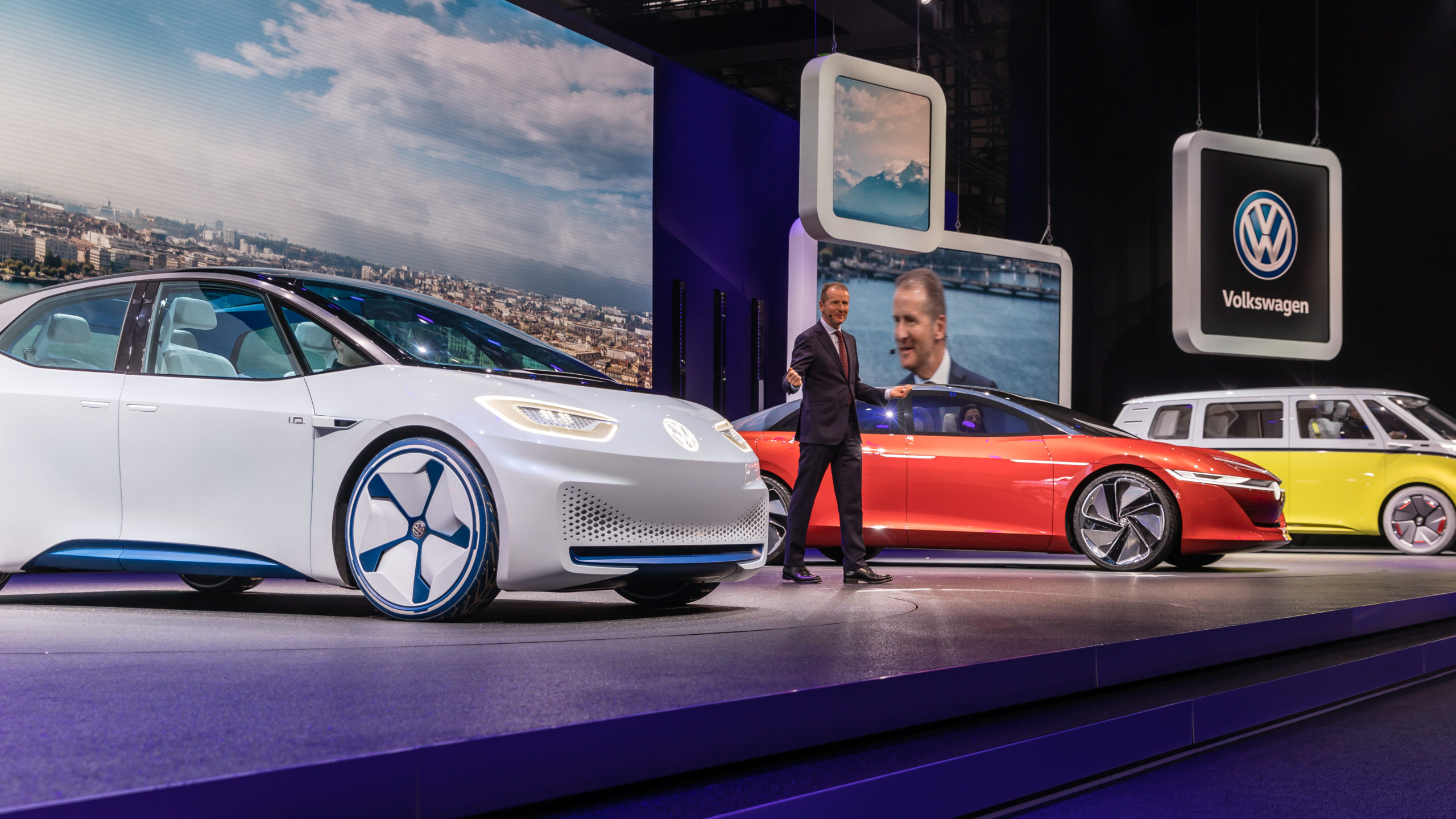
Volkswagen CEO Announces In Which Year the Brand Will Only Sell 100% Electric Cars

That Volkswagen is very focused on its electric path is no secret, but until now the German manufacturer had not given an exact date for its definitive step to electric mobility in Europe; Electro-Mobil Blog & More gives you more details in this articles.

Volkswagen has in the ID range a bet on the future. Wolfsburg have put all their eggs in the same basket and there is no turning back. Although the change they propose will be gradual, the Germans already have a specific date to make the definitive leap to electric mobility. Thomas Schaefer, recently appointed chief operating officer of Volkswagen, has confirmed that in 2033 they will only sell electric cars in Europe, two years before the official margin proposed by the European Union itself.

The truth is that no one can be taken by surprise by such an announcement since the enormous effort that Volkswagen has been making in recent years was aimed at a single purpose. Since the Volkswagen ID.3 hit the market in 2020, the brand has been directing its gaze to a segment that is beginning to dominate. Electric vehicles such as the Volkswagen ID.4 are gaining more and more followers around the world, and in Europe it has become the most popular model in the family, although within a few years everything can change.

And it will do so because the range will grow. The ID family will expand and do so quickly. Schaefer himself has warned that there will be 10 new models on the market before 2026. The access model will be the expected Volkswagen ID.1, which we have already talked about repeatedly. It has always been said that it would be below the psychological barrier of 20,000 euros, but the new figure, inflation through, will be 25,000 euros. That will be the starting point of the most affordable electric model in the ranks of Volkswagen, a high cost if we take into account that we are talking about a B segment.

Obviously it will not be the only one to present itself since after its launch there will be the presentation of a crossover of such size, the Volkswagen ID.2. The goal is to rival models such as the Peugeot e-2008 or the Opel Mokka-e. In this case, no minimum sale price has been specified, although the most logical thing is to think of figures of around 28,000 euros. Many plans on the table and many planned launches, not only in the EV range, but also in the ICE models that will correspondingly adapt to electrified formats until their complete disappearance.

The IDs will take over the range, and like the thermal cars will undergo updates and renewals. The first to undergo a facelift will be the ID.3. The compact will live next year a first renovation that in the words of the director of operations: “will make a significant and remarkable leap in terms of quality, materials and stability of the system”. Points where the ID.3 has to improve significantly, although nothing has been mentioned about an increase in autonomy or performance indices.

The other big headline from Thomas Schaefer’s interview with Reuters indicates that Volkswagen will shift its production focus from concentrating on a single model per factory to a platform thinking. That means that the Volkswagen Group will focus production on platforms and not models. For example, the ID.4 and the Škoda Enyaq, twin models that are manufactured in two different plants. This is a cost issue with which it is intended to achieve a profit margin of 8 percent by 2025.